
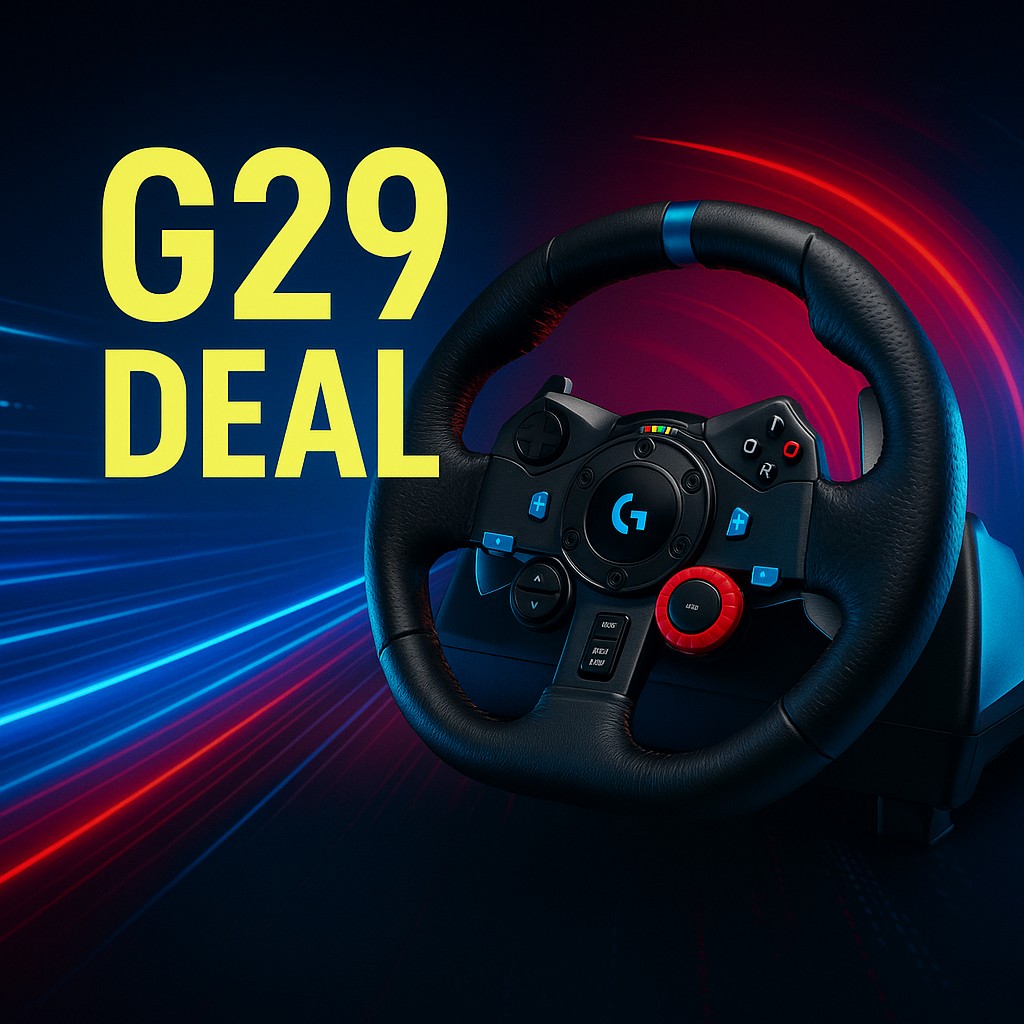
Major retailers are offering significant discounts on high-end gaming accessories, with popular racing simulation equipment seeing notable price reductions. The trend reflects broader competitive dynamics in the gaming peripheral market as manufacturers and retailers compete for enthusiast dollars during peak shopping periods.
The current promotion highlights how specialized gaming equipment has become more accessible to casual racing game enthusiasts, potentially expanding the market beyond hardcore simulation fans who previously dominated this category.
Racing Simulation Equipment Gains Mainstream Appeal
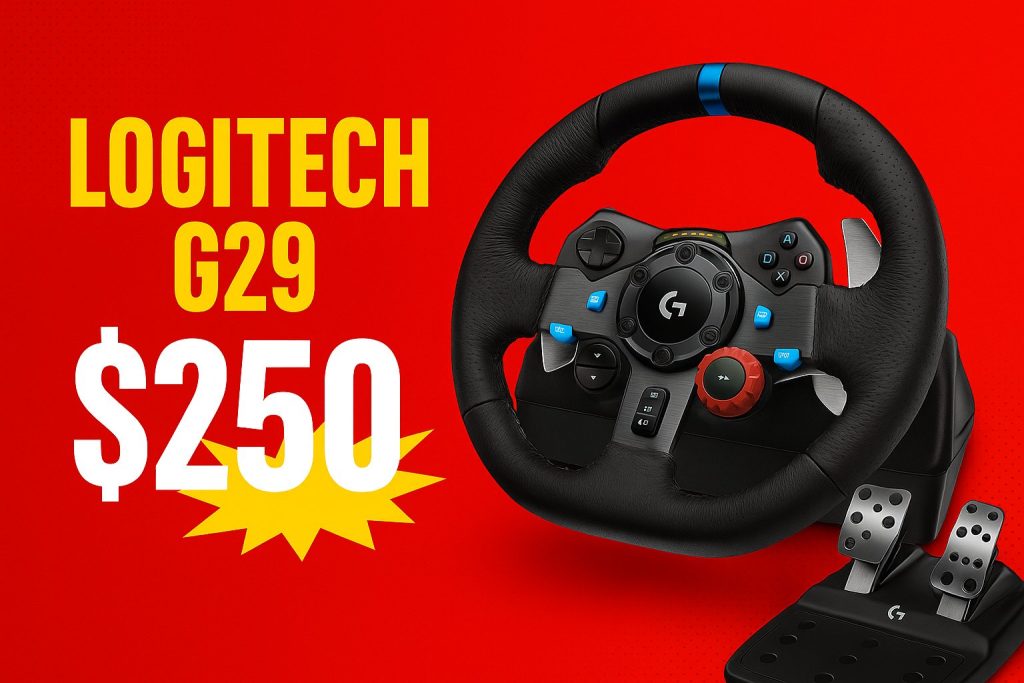
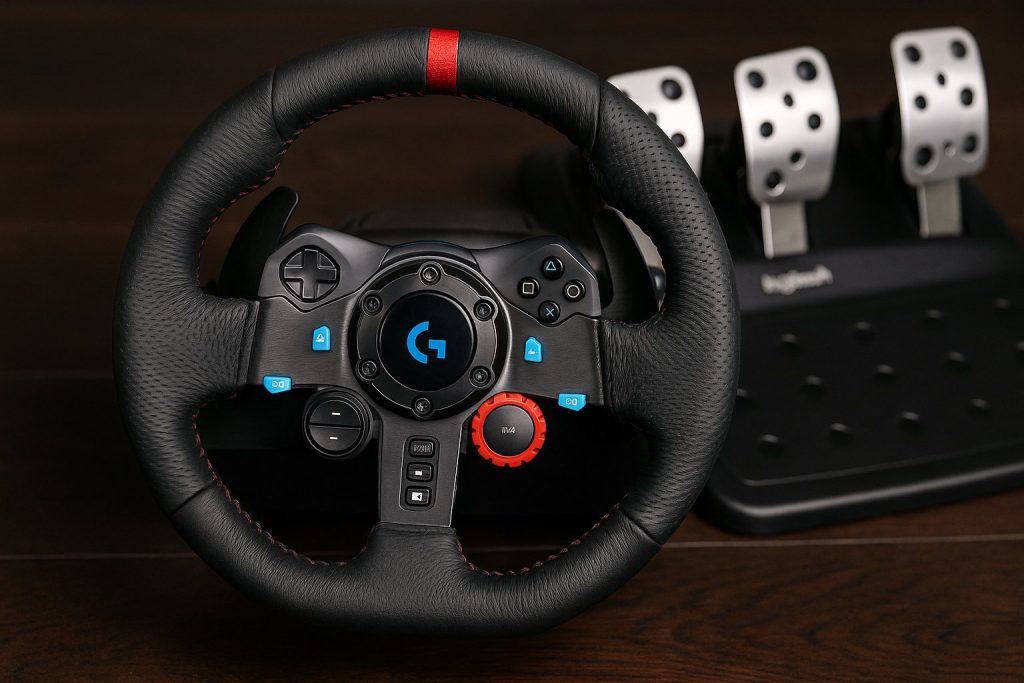
The Logitech G29 Driving Force racing wheel and pedal system represents the convergence of professional-grade simulation technology with consumer accessibility. Compatible with PlayStation 4, PlayStation 5, and PC platforms, the system delivers precision steering through 900-degree rotation mechanics that mirror real vehicle handling characteristics.
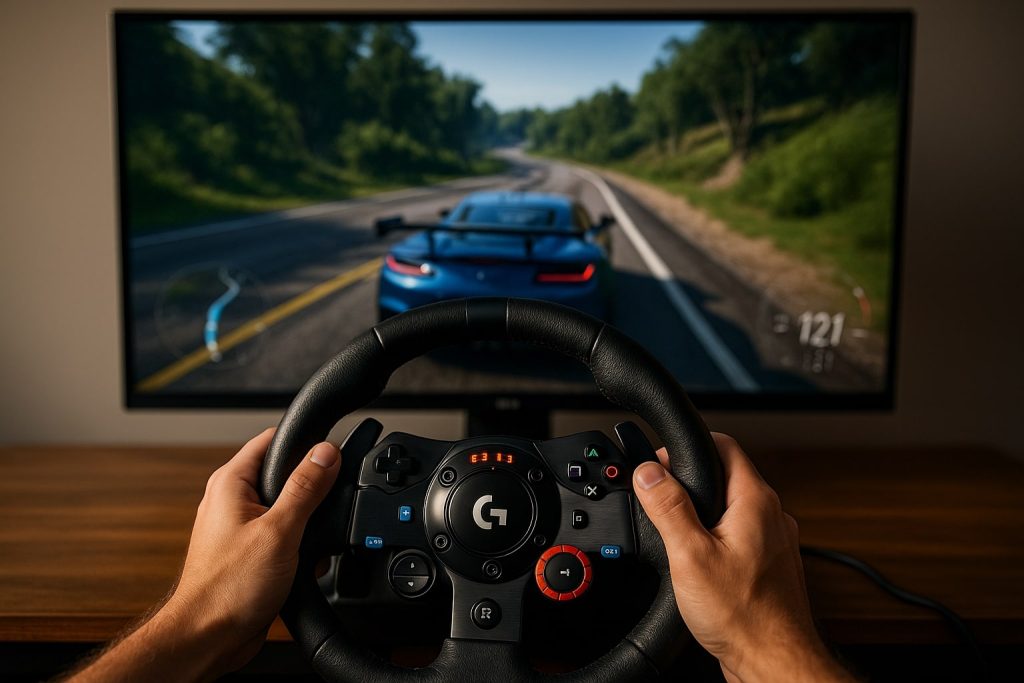
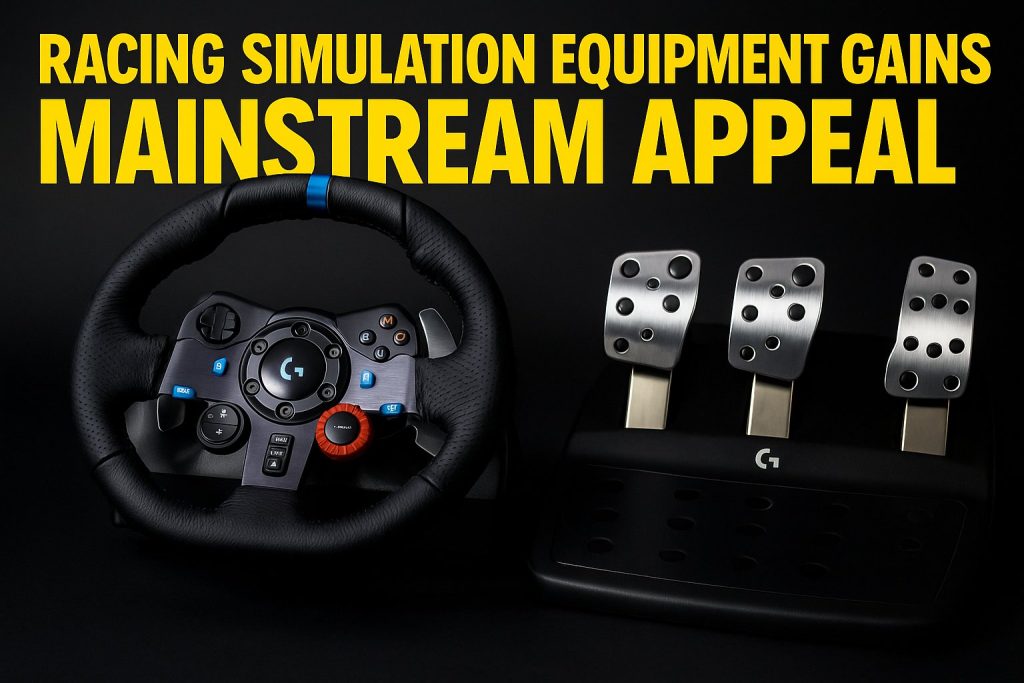
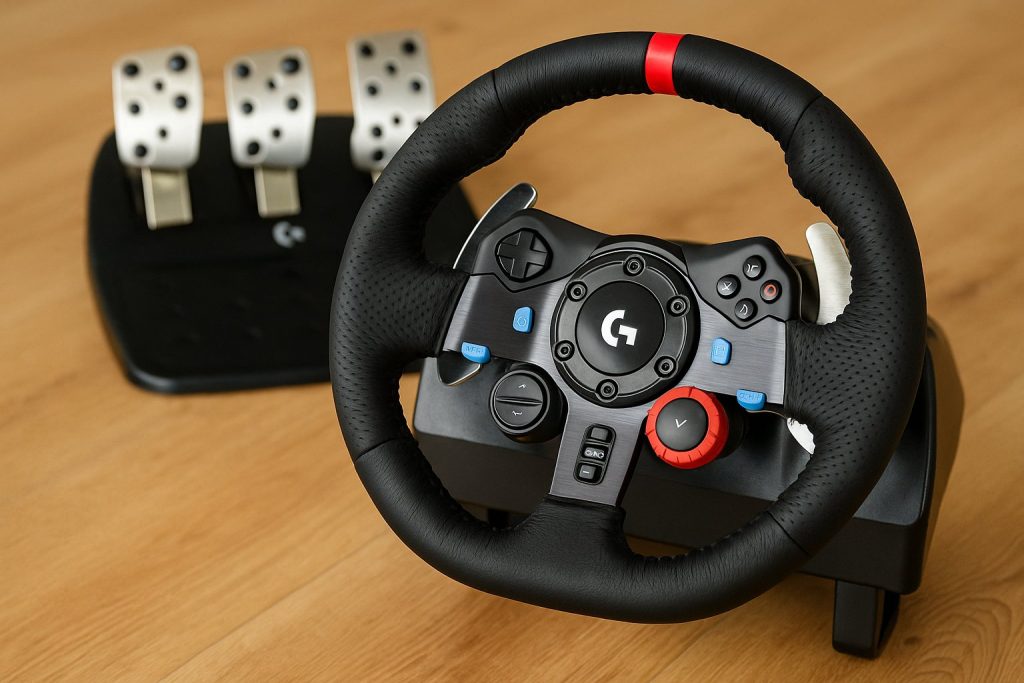
Key technical specifications include hand-stitched leather wheel covering, integrated control buttons, RPM indicator LEDs, and pressure-sensitive floor pedals designed for responsive acceleration and braking inputs. The 2.5-turn lock-to-lock rotation enables wide cornering maneuvers similar to Formula One racing dynamics.
Industry analysts note that racing wheel adoption has increased substantially as racing games have evolved toward more realistic physics engines and immersive gameplay experiences. Enhanced force feedback technology provides tactile road surface feedback that traditional controllers cannot replicate.
Gaming Accessory Market Shows Pricing Flexibility
Current retail pricing strategies demonstrate how premium gaming peripherals are becoming more competitively positioned. The $80 discount from the standard $330 retail price represents approximately 24% savings, bringing the equipment within reach of broader consumer segments.
Gaming industry market research indicates that racing simulation accessories occupy a specialized but growing niche within the broader gaming peripheral ecosystem. Unlike universal controllers, racing wheels serve dedicated racing game enthusiasts who prioritize authentic driving experiences over versatility.
The pricing adjustment reflects retailer efforts to move inventory while maintaining profit margins on specialized equipment that typically sees seasonal demand patterns tied to major racing game releases and holiday shopping periods.
Technical Integration Supports Multiple Gaming Platforms
Cross-platform compatibility addresses fragmented gaming ecosystems where enthusiasts may own multiple gaming systems. The G29’s ability to function across PlayStation and PC platforms eliminates the need for separate wheels for different gaming setups.
Driver software integration enables customization of force feedback strength, button mapping, and rotation limits to match specific racing game requirements. This flexibility allows users to optimize performance for different racing simulation titles that may have varying steering sensitivity requirements.
Professional racing simulation communities have adopted similar wheel systems for competitive gaming leagues and training applications, validating the equipment’s performance capabilities beyond casual gaming applications.
Consumer Considerations for Racing Wheel Investment
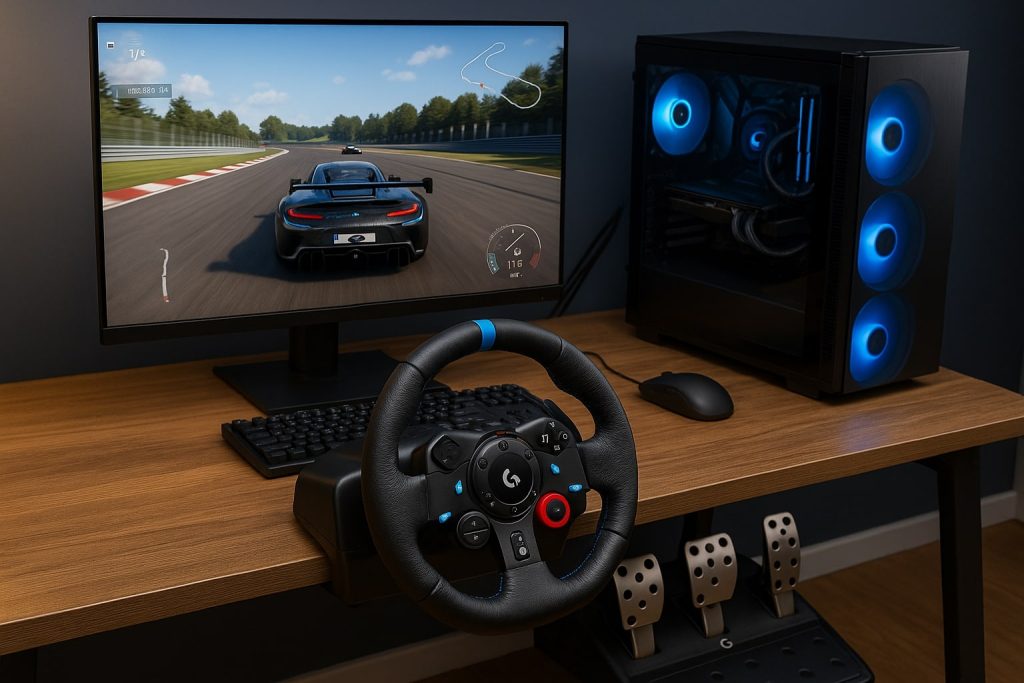
Racing wheel systems require significant desk or dedicated gaming space, making them unsuitable for casual gaming setups or space-constrained environments. The floor pedal configuration necessitates stable positioning to prevent movement during intense racing sessions.
Setup complexity exceeds plug-and-play simplicity of traditional controllers, requiring driver installation and game-specific configuration adjustments. Users should expect initial calibration periods to optimize force feedback and sensitivity settings for personal preferences.
Long-term durability becomes crucial for equipment subjected to repetitive high-force inputs during aggressive racing gameplay. The hand-stitched leather construction and internal mechanism quality directly impact longevity under regular use conditions.
Market Competition Drives Innovation and Value
Gaming peripheral manufacturers face increasing competition from emerging brands offering similar functionality at varying price points. Established manufacturers like Logitech must balance premium positioning with competitive pricing to maintain market share.
Technological advancement in force feedback systems, wireless connectivity, and integration capabilities continues pushing the category forward. Higher-end models now incorporate advanced features like direct drive motors and professional-grade materials previously exclusive to commercial simulators.
The racing simulation community’s vocal feedback directly influences product development priorities, creating responsive manufacturer relationships that drive continuous improvement in performance and feature sets.
This pricing development reflects broader shifts in gaming accessory markets where specialized equipment becomes increasingly accessible to mainstream audiences. Racing wheels were once purely enthusiast territory with corresponding premium pricing, but competitive pressures and manufacturing efficiencies are democratizing access to immersive gaming experiences. The substantial discount on professional-grade equipment suggests retailers recognize growing demand from casual racing fans who want enhanced realism without professional simulator investments.